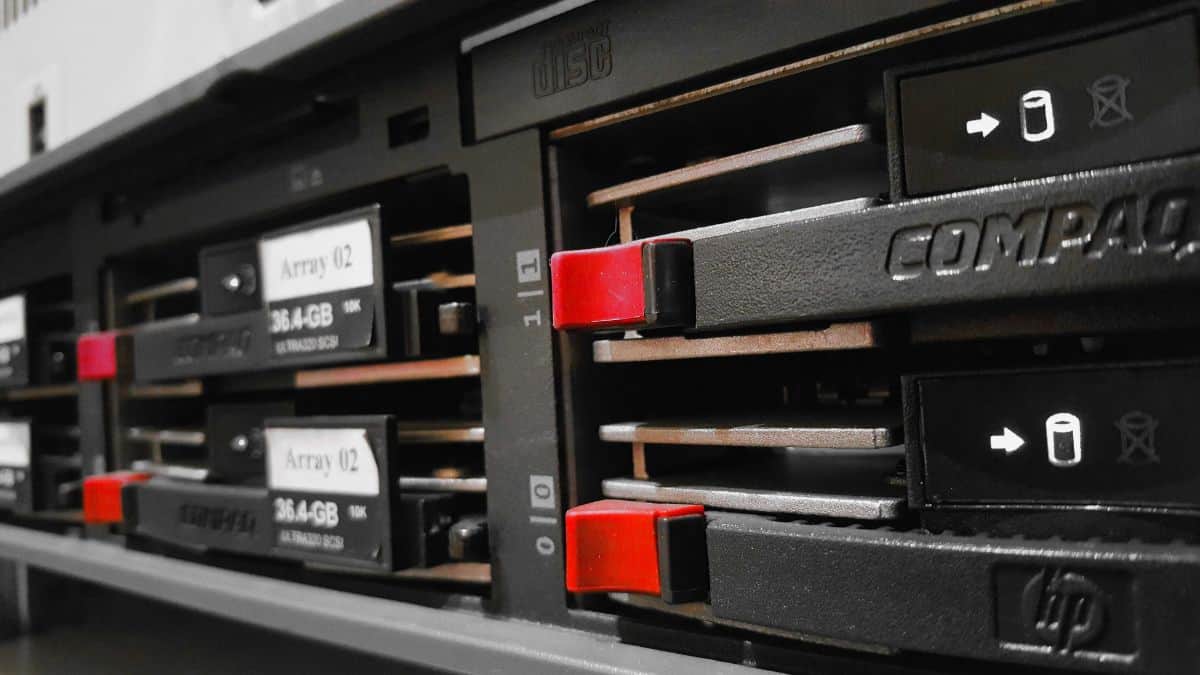
Top Managed IT Services Providers in Minneapolis

Are you struggling with unpredictable downtime, escalating cybersecurity threats, or an IT strategy that feels more reactive than proactive? Finding the top managed IT services providers in Minneapolis is critical for SMBs that need to transition from “fixing things” to “scaling fast.” With more than 20,354 businesses operating in the region and approximately 80 managed IT providers competing locally, selecting the right fit is a challenge. CloudSecureTech simplifies your search by vetting the top MSPs in Minneapolis, connecting you with partners who offer SLA-assured resilience and managed IT services in Minneapolis tailored to your specific industry compliance needs.


Our Rating of Managed IT Services in Minneapolis

Minneapolis MSP

Norterra Tech brings ‘People-First’ IT support to the Twin Cities. Headquartered in Minneapolis, they differentiate themselves with radical transparency and speed: a 99% live answer rate and 80% first-call resolution. Specializing in Co-Managed IT and Staff Augmentation for mid-sized businesses, Norterra Tech is the partner of choice for organizations that need CMMC-certified expertise without the bloat. Experience a proven 30-40% reduction in IT tickets in your first three months.

Key Uniques

80% First Call Resolution, 99% Call Answer Rate, 30-40% reduction in IT issues within the first 3 months

Industries

Healthcare , Education , Manufacturing , Legal/Law Firm , Accounting Firm , Marketing , Government , Construction , Non-Profit , Real Estate , Engineering Firm , Radiology , Energy & Utilies , Wealth Management
Clients
Technology Partners
Barracuda, SonicWall, VMware, Amazon, Dell
Services
IT Helpdesk , IT Support , Server Admin & Support , IT Network Monitoring & Management , Backup & Disaster Recovery , IT Procurement , IT Asset Management , Application Managed Services , VoIP & Unified Communications
Minneapolis MSP

OneNet Global excels in Managed IT, serving healthcare and finance for 20 years, leveraging Microsoft 365, AWS, and ensuring 99.9% uptime with ISO-certified operations.

Industries

  • Financial Services
  • Manufacturing
  • Non-Profit
Clients
Technology Partners
Microsoft, Cisco, VMware
Services
Managed IT Services, Cloud Services, Cybersecurity, Telecom Solutions (Voice/Data/Internet/Mobile)
40,000+
Discover the top MSPs featured in the industry's premier directory.
30+
Countries where CST's featured MSPs provide support.
4.9/5.0
Average satisfaction rating of MSPs listed.
95%
End-users' satisfaction percentage after choosing their MSP via CST.

Navigating a market with roughly 80 local providers requires more than a superficial glance. CloudSecureTech utilizes a rigorous, data-driven framework to filter the top managed IT services providers in Minneapolis, ensuring SMBs partner with firms that offer more than just basic support.

Evaluation Criteria

We analyze the operational backbone of each provider to ensure they can handle the sophisticated demands of the Twin Cities’ diverse economy.

Technical Certifications

We verify that technical teams possess high-level credentials. With Minneapolis being a top 10 Midwest tech talent market, we prioritize MSPs that maintain elite certifications in cloud architecture and security.

Service Breadth (Cloud, Cybersecurity, Compliance)

The top MSPs in Minneapolis must offer a full-stack approach. We look for providers delivering MDR, SOC services, and seamless cloud migrations, moving beyond simple help desk support to holistic infrastructure management.

SLA Guarantees

Uptime is non-negotiable. We evaluate providers based on their published Service Level Agreements, specifically looking for those who commit to measurable RTO/RPO metrics rather than vague response times.

Industry Specialization

With major sectors like healthcare and finance dominating the local landscape, we identify MSPs with deep expertise in vertical-specific needs, such as HIPAA for medical systems or PCI/FFIEC for financial firms.

Client Review Consistency

We examine the reliability of service across years of performance. A median rating of 4.5–4.7 among local providers sets a high bar for entry into our top-tier recommendations.

Business Continuity Capabilities

In an era of ransomware, we prioritize MSPs that offer immutable backups and quarterly restore testing to ensure Minneapolis businesses remain resilient against data loss.

Our Data-Driven Ranking Model

Our ranking isn’t based on guesswork; it’s fueled by real-market intelligence and local performance metrics.

Review Analysis

We synthesize client feedback to identify consistent strengths and weaknesses. While many local firms excel in responsiveness, we highlight those who maintain high marks for technical depth and domain knowledge.

Service Verification

We cross-reference advertised services against actual delivery capabilities. This ensures that an MSP claiming “Cybersecurity Excellence” actually operates the necessary SOC or compliance frameworks required by regulated Minneapolis industries.

Market Presence

We evaluate the stability of the provider. From boutique firms of 3 employees to regional powerhouses with over 250 staff, we assess how their local footprint impacts their ability to provide onsite support in areas like the North Loop or Downtown.

Scalability Assessment

Your IT partner must grow with you. We rank providers based on their ability to support everything from small professional service firms to large-scale manufacturing and distribution operations.

Pricing Transparency

While the Twin Cities market features a wide range of service costs, we favor MSPs that provide clear, tiered pricing models—Essentials, Secure, and Strategic. This transparency eliminates billing surprises for SMB owners and allows for better alignment between IT investment and business growth goals. By prioritizing firms with public-facing tiers, we ensure you can evaluate the Total Cost of Ownership (TCO) before engaging in a lengthy sales cycle.

Compliance & Audit Readiness

Given the regional focus on regulation, our model rewards MSPs that provide automated attestation reports and audit-ready documentation for NIST, SOC2, and other critical frameworks.


Minneapolis is a sophisticated Midwest business hub where a diverse economy—ranging from global retail headquarters to advanced healthcare systems—demands high-level technical support. The city’s infrastructure is built on a foundation of regulated industries that require more than just basic troubleshooting.

Business Density and IT Demand in the Minneapolis Metro

With approximately 20,354 employer establishments and tens of thousands of smaller consultancies, Minneapolis maintains a high concentration of firms requiring robust digital infrastructure.

A Diverse Industry Mix

The local economy is not dependent on a single sector, which creates a multifaceted demand for managed IT services in Minneapolis.

  • Professional & Technical Services: A massive base of corporate consultants and tech firms.
  • Finance & Insurance: Major banks and credit unions requiring high-security networking.
  • Healthcare & Social Assistance: Large hospital systems like M Health Fairview and Allina.
  • Manufacturing & Industrial: Advanced supply chain operations that rely on 24/7 uptime.

Population Dynamics and Talent

The city population of approximately 430,000—part of a 3.7 million-person metro area—is highly educated and young, with a median age between 32 and 35. This workforce drives the adoption of modern SaaS and cloud-based tools.

Major Enterprise Anchors

The presence of global headquarters like Target Corporation, UnitedHealthcare, and Wells Fargo’s regional operations creates a “trickle-down” effect. Local SMBs must maintain high IT standards to compete or integrate with these enterprise giants.

Key Business Corridors

Demand is concentrated in high-activity zones such as:

  • The North Loop and Downtown: Hubs for tech startups and professional services.
  • Northeast Arts District & West Broadway: Emerging areas for creative and small-scale commercial growth.
  • Lake Street Corridor: A vital artery for retail and local service-based businesses.

Growth Trends Driving IT Outsourcing

As the Minneapolis market matures into 2026, several strategic shifts are forcing businesses to move away from “break-fix” models toward comprehensive managed partnerships.

Transition to Hybrid Workflows

With a growing tech talent market, Minneapolis firms are increasingly adopting hybrid work models. This has spiked the demand for secure remote access, unified communication tools, and cloud-native environments.

Cloud Governance and Cost Control

Cloud migration is no longer the goal; optimization is. Local businesses are seeking MSPs that offer rightsizing dashboards and spend analysis to ensure their cloud budgets aren’t wasted on unused resources.

The Rise of vCIO Strategy

Generic IT support is being replaced by strategic leadership. Businesses in the Twin Cities are now prioritizing “Executive IT Strategy” tiers that provide quarterly roadmaps and KPI reporting to align technology with business growth.

Multi-Site Infrastructure Needs

For the city’s retail and franchise sectors, there is a rising trend toward centralized dashboards and POS segmentation, ensuring that branch offices in areas like Uptown or Dinkytown remain as secure as the main headquarters.

Cybersecurity Risk Environment in Minneapolis

The threat landscape in the Twin Cities has evolved, with regional and national trends showing a sharp increase in sophisticated attacks targeting the city’s financial and healthcare wealth.

Primary Threat Vectors

Minneapolis businesses face consistent risks from:

  • Ransomware: Targeting manufacturing and logistics sectors where downtime equals immediate revenue loss.
  • Business Email Compromise (BEC): Aimed at the city’s dense professional services and finance sectors.

The Importance of Managed Detection and Response

Watch the video below to understand why modern security requires a 24/7 Security Operations Center (SOC). In a market like Minneapolis, simply having an antivirus is no longer sufficient to stop modern lateral movement attacks.

🎥 Cybersecurity & SOC Explained

https://www.youtube.com/watch?v=inWWhr5tnEA

SLA-Assured Resilience

A major gap in the local market is the lack of guaranteed recovery. Top-tier providers are now distinguishing themselves by offering immutable backups and published RTO/RPO SLAs, ensuring that even if an attack occurs, data is restored within hours.

Disaster Recovery and Business Continuity

For Minneapolis firms, “resilience” means having a plan for both digital and physical disruptions. Watch this video to learn how a structured recovery plan protects your bottom line.

🎥 Disaster Recovery & Business Continuity

https://www.youtube.com/watch?v=9F2Hj3kX8bY

Compliance Pressures Impacting Local Businesses

Minneapolis’s status as a healthcare and financial powerhouse means that regulatory compliance is often the primary driver for hiring top MSPs in Minneapolis.

Healthcare & HIPAA Mandates

With major systems like Fairview and Allina driving the local medical economy, clinics and healthcare-adjacent firms must meet strict HIPAA standards. MSPs are now providing “Audit-Ready” tiers that include monthly attestation reports.

Financial Regulations (PCI/FFIEC)

The heavy presence of banks and fintech startups in the North Loop necessitates rigorous adherence to PCI and FFIEC standards. Local businesses require encrypted workflows and compliance templates built into their IT stack.

Emerging NIST and SOC2 Requirements

As Minneapolis tech and SaaS firms scale, they face increasing pressure from partners to prove their security posture. Managed IT providers are filling this gap by productizing SOC2 readiness and NIST framework alignment.

Strategic vCIO Oversight

Compliance is not a “set and forget” task. The following video explains the role of a vCIO in maintaining long-term regulatory alignment and strategic planning—a service that has become a necessity for regulated Minneapolis firms.

🎥 What Is vCIO?

https://www.youtube.com/watch?v=V5h2lQf4JkQ

The Minneapolis MSP market is characterized by a mix of boutique local firms, mid-tier regional players, and large national providers. With approximately 60 to 100 MSPs serving the metro area, competition is steady, driving a median hourly consulting rate between $160 and $260. While many providers offer core support, the market is currently shifting toward specialized security and compliance-heavy models to meet the needs of the city’s sophisticated business sectors.

Market Intelligence and Strategic Messaging

The top managed IT services providers in Minneapolis distinguish themselves through varied service philosophies. Understanding these differences helps business owners align with a partner that matches their internal culture and technical requirements.

Focus on Proactive Uptime and Support

A significant portion of the local market emphasizes high-touch, proactive monitoring. These providers focus on minimizing downtime and maximizing employee productivity, often marketing “flat-rate” or predictable billing models to appeal to budget-conscious SMBs.

Security and Compliance Positioning

As the threat landscape in the Twin Cities evolves, several providers have pivoted to lead with cybersecurity. These firms highlight their ability to align IT infrastructure with specific regulatory frameworks, particularly for the healthcare and finance sectors that anchor the local economy.

Local Personalized Service vs. Enterprise Scale

There is a clear divide between “boutique” MSPs (3–15 employees) that offer highly personalized, local tech teams, and enterprise-level providers (250+ employees) that offer 24/7 Global SOC capabilities. Buyers often choose based on whether they prioritize a familiar local face or the sheer depth of a national resource pool.

Strategic Consulting and vCIO Integration

Higher-tier providers are increasingly incorporating vCIO services into their core offering. This messaging focuses on long-term IT roadmaps and business growth rather than just resolving immediate technical tickets, filling a gap for scaling firms in the North Loop and Downtown.

Review & Reputation Insights Across Minneapolis MSPs

Feedback from local businesses reveals a high standard of service across the metro area, though specific gaps remain regarding advanced security guarantees and pricing transparency.

Common Strengths Reported by Clients

  • Local Responsiveness: Clients frequently praise MSPs for their ability to provide quick onsite support within the Minneapolis-Saint Paul area.
  • Vertical Domain Knowledge: Many providers are highly regarded for their deep understanding of specialized software and compliance needs in healthcare and finance.
  • Technical Proficiency: Reviews often highlight the strong engineering capabilities found within the local Midwest tech talent pool.

Common Complaints & Gaps

  • Limited 24/7 SOC Access: Smaller boutique MSPs are sometimes cited for lacking around-the-clock security monitoring.
  • Pricing Transparency: A common frustration for buyers is the lack of public-facing pricing tiers, often requiring lengthy sales cycles to understand basic costs.
  • Restore Guarantees: While many offer backups, few clients report receiving clear, documented SLA commitments for recovery times (RTO/RPO).

Ratings Distribution Snapshot

The Minneapolis market maintains a strong reputation for quality, as reflected in the following performance data:

  • Lowest observed rating: 4.0
  • Highest observed rating: 5.0
  • Median rating: 4.5–4.7

While the Minneapolis market is home to a high concentration of skilled technical providers, many firms follow a traditional service delivery model that leaves significant gaps in the modern business landscape. Our analysis reveals that while the top managed IT services providers in Minneapolis are excellent at maintenance, few have productized the high-level strategic and resilience-based services that local growth-oriented firms now require.

Missing Resilience Standards: SLA-Assured Recovery

Most local providers offer backup services, but there is a notable absence of published, guaranteed recovery metrics. Businesses in high-stakes sectors like manufacturing or logistics often find that “backups” are not enough without a binding Service Level Agreement (SLA).

  • The Gap in Restore Drills: Very few MSPs explicitly commit to quarterly restore testing as a standard deliverable.
  • Lack of RTO/RPO Transparency: Public dashboards showing real-time Recovery Time Objectives (RTO) and Recovery Point Objectives (RPO) are rare, leaving business owners in the dark about their actual resilience posture.

The Compliance Framework Deficit

Despite the heavy presence of healthcare and finance in the Twin Cities, compliance-ready managed tiers remain a major market gap. Many MSPs claim to “support” compliance, but few offer it as a standalone, audit-ready product.

  • Audit Documentation: There is a shortage of providers offering monthly attestation reports and pre-built audit workflows for SOC2, HIPAA, or NIST.
  • Vertical Integration: Financial and legal firms in Minneapolis often struggle to find “vertical-optimized” stacks that include pre-configured encrypted workflows and policy templates tailored to their specific regulatory bodies.

Cloud Governance and Strategic Financial Oversight

As cloud adoption peaks, the focus for Minneapolis businesses has shifted from migration to optimization. However, the current competitive landscape lacks distinct offerings in cloud governance.

  • Spend Optimization: Most providers manage the cloud, but few provide the rightsizing dashboards and spend analysis needed to prevent “cloud sprawl.”
  • Outcome-Driven vCIO Tiers: While “vCIO” is often listed as a service, it is rarely positioned as an outcome-driven subscription tier with defined quarterly roadmaps, governance reviews, and measurable KPI deliverables.

Accessibility and Transparency in Procurement

A significant barrier for Minneapolis SMBs is the lack of transparency during the initial vetting process. The local market is underserved by providers who offer modern buyer tools.

  • Public Tiered Pricing: Most firms require a contact form for even a basic quote. There is a high demand for transparent pricing tiers—such as Essentials, Secure, and Strategic—that allow buyers to self-select their level of service.
  • ROI Calculators: Very few local MSP websites provide cost or TCO (Total Cost of Ownership) calculators, which are essential for finance-focused decision-makers in the region.

Multi-Site Infrastructure for Retail and Growth

Minneapolis’s vibrant retail and franchise corridors, from Uptown to the Lake Street area, require specialized IT solutions that many generalist MSPs overlook.

  • Unified POS Management: There is an opportunity for providers to offer centralized dashboards and POS segmentation as a dedicated multi-site service bundle.
  • Failover Connectivity: Guaranteed failover connectivity specifically designed for high-traffic retail environments is less commonly positioned as a primary offering.

Understanding the cost of managed IT services in Minneapolis requires looking at both service rates and the local economic factors that influence them. Pricing in the Twin Cities typically reflects Midwest market norms, though there is an increasing premium for specialized compliance and strategic consulting.

Service Tier / Category Estimated Rate (Monthly/Hourly) Key Inclusions
Local SMB MSP (10–50 Staff) $2,000 – $6,000 / month Help desk, basic security, local onsite support
Mid-Market MSP (50–200 Staff) $6,000 – $15,000 / month Advanced cybersecurity, cloud governance, vCIO
Enterprise / National MSP $15,000+ / month 24/7 Global SOC, full compliance frameworks
Per User Pricing (Standard) $150 – $250 / user Managed support and endpoint security
Per User Pricing (Compliance) $200 – $350 / user HIPAA/SOC2 readiness + audit documentation
Help Desk / Support (Hourly) $95 – $165 / hr Remote and onsite technical troubleshooting
Cybersecurity & Compliance $150 – $330 / hr Risk assessments and security hardening
vCIO / IT Strategy $200 – $420 / hr Long-term roadmapping and board-level advisory

Regional Cost Nuances in Minneapolis

While Minneapolis is a major corporate hub, it maintains a relatively moderate commercial overhead compared to coastal tech centers. This balance allows for high-quality technical talent at rates that remain accessible for local SMBs.

Commercial Office & Industrial Real Estate The cost of operating a business in the city is influenced by a diversified real estate market:

  • Commercial Office: Class A office spaces in the Downtown core or along the Highway 394 corridor typically range from $28 to $45 per square foot annually.
  • Industrial / Warehouse: Industrial spaces, vital for the region’s strong manufacturing and logistics sectors, lease for approximately $6 to $14 per square foot.

Cost of Living Index

Minneapolis generally sits near the national average, with a cost of living index typically between 95 and 105. Lower-than-average housing costs compared to other major metros help offset higher-than-average grocery or healthcare costs, creating a stable environment for the local technical workforce.

How Real Estate Influences MSP Labor Cost

The physical location of an MSP’s operations directly impacts their service delivery costs.

Operational Overhead in High-Demand Corridors

MSPs based in premium areas like the North Loop or Downtown West face higher lease obligations. To maintain profitability, these firms often focus on higher-margin services like vCIO consulting or advanced cybersecurity.

Distributed Talent and Remote Efficiency

Many mid-tier MSPs utilize the region’s industrial belts or suburban office parks for their technical hubs. By lowering their real estate overhead in these zones, they can offer more competitive “per-user” rates while still providing the high-touch local service Minneapolis business owners expect.

Minneapolis is a powerhouse of diverse economic activity, with a business landscape that ranges from Fortune 500 retail giants to cutting-edge medical research facilities. Because the “Twin Cities” serve as a regional hub for the Midwest, the top managed IT services providers in Minneapolis must be equipped to handle high-density environments and complex regulatory requirements.

Vertical Support Specializations

Local MSPs have developed deep expertise in several core sectors that anchor the Hennepin County economy.

Healthcare & MedTech

With major entities like Fairview Health Services and Allina Health setting the standard, Minneapolis is a global leader in healthcare innovation. Local MSPs support this sector by:

  • Ensuring 100% HIPAA compliance and data protection for patient records.
  • Managing Electronic Health Record (EHR) integrations and system uptime.
  • Providing secure, low-latency connectivity for outpatient treatment facilities and specialized clinics.

Finance & Banking

As a major financial hub—home to regional headquarters for Wells Fargo and numerous credit unions—Minneapolis requires high-level security. MSPs in this space focus on:

  • PCI and FFIEC compliance frameworks to protect sensitive financial data.
  • Advanced threat detection for fintech startups in the North Loop and Downtown.
  • Encrypted document management for legal and accounting firms.

Retail & Manufacturing

From the massive operations of Target Corporation to the industrial belts surrounding the city, logistics and commerce drive significant IT demand.

  • Retail: MSPs manage POS segmentation and unified multi-site networking for corridors like Lake Street and Uptown.
  • Manufacturing: Support focuses on OT (Operational Technology) security, IoT integration, and 24/7 uptime for supply chain management.

Real-World Success: Minneapolis Case Studies

Below are verified examples of how managed IT partnerships have transformed organizations using specific Minneapolis market data.

Case Study Theme: Centralization and User Experience for Healthcare

Example Clients: Regional Healthcare Networks
  • The Scenario: A Minneapolis-based healthcare network needed to unify its digital presence across multiple clinics to ensure high-quality access for patients and consistent integration with health database requirements.
  • The Solution: The MSP implemented a HIPAA-compliant digital transformation, creating a backend architecture that prioritized data security and seamless patient navigation.
  • The Outcome: The clinics achieved top-tier industry rankings for user navigation and data security compliance while maintaining strict adherence to healthcare regulations.

Case Study Theme: Rapid Infrastructure Takeover and Security Hardening

Example Clients: Manufacturing and Environmental Firms
  • The Scenario: A local firm lost its internal IT staff and was left with critical vulnerabilities during a period of high regional ransomware activity.
  • The Solution: A specialized local MSP conducted a deep security audit, removed existing vulnerabilities, and implemented 24/7 SOC monitoring to secure the industrial environment.
  • The Outcome: The client achieved a 100% uptime record and a hardened cybersecurity posture without operational disruption, effectively mitigating the risk of data loss or production downtime.

Case Study Theme: Compliance-Driven Managed IT for Regulated SMBs

Example Clients: Financial Services and Regulated Small Businesses
  • The Scenario: Small firms in the Minneapolis financial sector were struggling to meet strict FFIEC audit requirements while scaling their operations.
  • The Solution: The provider delivered a “Compliance-First” IT stack, integrating cybersecurity directly into the managed service layer for businesses in the 12–20 employee range.
  • The Outcome: Clients offloaded the burden of regulatory audits, allowing them to focus on financial growth with high satisfaction ratings and documented audit readiness.

While the Minneapolis managed IT landscape is robust, several rapidly growing sectors remain underserved by traditional generalist MSPs. As the city evolves into a top 10 Midwest tech talent market, these emerging niches require specialized infrastructure and cybersecurity strategies that go beyond basic help desk support.

Arts, Festivals, and Cultural Event Infrastructure

Minneapolis hosts massive open-studio events like Art-A-Whirl and city-wide festivals such as the Aquatennial. These events create temporary but intense demands for high-density public Wi-Fi, secure mobile point-of-sale (POS) systems, and real-time connectivity for outdoor venues like the Minneapolis Sculpture Garden. Most local MSPs focus on permanent office setups, leaving a gap for providers who can deploy ruggedized, high-bandwidth temporary networks and specialized event-tech support.

Nonprofits and Mission-Driven Organizations

With over 7,000 nonprofits in Minnesota, many headquartered in Minneapolis, this sector faces unique IT hurdles. These organizations often operate on tight budgets but handle highly sensitive donor data.

  • The Compliance Gap: There is a shortage of MSPs that help nonprofits navigate the specific security requirements for online donation platforms while maximizing nonprofit discounts for tools like Microsoft 365 or Google Workspace.
  • Operational Sensitivity: Mission-driven groups need partners who understand their donor-focused workflows and offer budget-conscious, tiered pricing that prioritizes data privacy over complex enterprise features.

AgTech and Sustainability Startups

Minneapolis is a growing hub for food and agricultural technology innovation. Startups in this space, often located in the Northeast Arts District or the North Loop, utilize IoT sensors and AI-driven analytics to revolutionize farming and supply chains.

  • Edge Computing Needs: These businesses require MSPs with expertise in edge computing and secure data ingestion from remote sensors.
  • Intellectual Property Protection: As these firms attract significant venture capital, protecting their proprietary R&D through robust cybersecurity and cloud governance is an underserved necessity.

Hospitality and Boutique Retail Corridors

Districts like Uptown and the Lake Street Corridor are defined by vibrant independent retail and hospitality businesses. These sectors are often ignored by larger MSPs but face increasing threats like ransomware and credit card skimming.

  • Unified POS Segmentation: There is a major need for MSPs that provide centralized POS management combined with guest Wi-Fi isolation to maintain PCI compliance.
  • Reliable Failover: For these businesses, a single hour of internet downtime during a peak festival weekend can result in thousands of dollars in lost revenue, yet few MSPs market guaranteed failover connectivity as a primary service for small retail.


In a market with roughly 80 providers, the leading top managed IT services providers in Minneapolis distinguish themselves through technical depth and the ability to act as a strategic business partner rather than just a technical vendor.

Average MSP Size vs. Capability Discussion

In Minneapolis, MSPs generally fall into three tiers: boutiques (3–15 staff), mid-tier (15–65 staff), and regional enterprises (65–250+ staff). Selecting the right size is critical for ensuring your partner has the “bench strength” to support you during a crisis.

The 25–45 Employee “Goldilocks Zone”

A team of 25–45 staff is often considered the optimal size for Minneapolis SMBs. At this scale, the MSP is large enough to have specialized roles—such as dedicated Security Analysts and vCIOs—but small enough to provide personalized, local service without the “ticket black hole” common in national call centers. This reflects the median size of the most successful providers currently serving the Twin Cities metro.

Specialized Technical Roles

Leading MSPs differentiate themselves by employing specialists rather than generalists.

  • Tier 3 Engineering: Senior experts who handle complex cloud architecture.
  • Dedicated SOC Analysts: Security professionals who monitor for threats 24/7.
  • vCIO Strategy: Executive-level consultants who align IT spend with your 2026 business goals.

Proactive Compliance and Audit Readiness

The best MSPs in the Twin Cities don’t just “mention” compliance; they productize it. They offer specific tiers that include monthly attestation reports and pre-configured workflows for HIPAA, SOC2, and PCI.

SLA-Assured Resilience Dashboards

While most providers offer backups, the top tier provides public dashboards showing real-time RTO (Recovery Time Objective) and RPO (Recovery Point Objective) metrics, backed by quarterly restore testing.

Cloud Governance and Cost Optimization

Top providers move beyond simple cloud hosting to offer FinOps-style cost management, ensuring your business isn’t overpaying for unutilized cloud resources in Azure or AWS.

Industry-Specific Vertical Stacks

Differentiation often comes down to vertical mastery. Leading Minneapolis MSPs offer “pre-baked” security and software templates specifically for the city’s dominant healthcare, finance, and manufacturing sectors.


Selecting the right partner requires balancing your operational needs with the technical capabilities of local providers. In a market with a median hourly rate of $160–$260, ensuring you receive value for your investment starts with a clear evaluation of your internal requirements.

Matching Service Tier to Business Size

Selecting the correct MSP tier prevents you from overpaying for unused features or under-protecting critical assets.

  • Boutique MSPs (3–15 Staff): Best for small offices (10–25 users) in areas like Dinkytown or Northeast Minneapolis that value high-touch, personal relationships and reactive support.
  • Mid-Market Leaders (15–65 Staff): Ideal for firms with 25–150 employees in the North Loop or Downtown that require a deep engineering bench, vCIO strategy, and 24/7 monitoring.
  • Enterprise/National MSPs (65+ Staff): Necessary for large organizations and regional headquarters requiring a global SOC, full-scale cloud governance, and multi-site failover.

Risk Tolerance Assessment

Your provider’s security stack must align with your industry’s specific threat vectors and downtime costs.

  • Regulated Verticals: If you are a healthcare clinic near Fairview or a financial firm, you require a compliance-heavy stack (HIPAA/PCI) with automated attestation.
  • High-Uptime Industries: For manufacturing or logistics firms, “basic antivirus” is insufficient. You require Managed Detection and Response (MDR) and SLA-assured restore guarantees to prevent costly production halts.

CloudSecureTech DCI (Demand Competition Index)

The CloudSecureTech DCI for Minneapolis indicates a “High-Demand” environment. With an estimated 2,000–5,000 monthly searches and roughly 80 active providers, the DCI sits between 25 and 62. This suggests that the top MSPs in Minneapolis are in high demand; if a provider can skip a discovery phase and onboard you instantly, it may signal a lack of depth or current capacity issues.

Contract Flexibility

Protect your business by insisting on performance-based agreements that prioritize accountability.

  • Service Level Outcomes: Prioritize contracts with “Performance Clauses” that allow for exit strategies if RTO/RPO metrics or response SLAs are consistently missed.
  • Transparent Pricing: Avoid providers that hide costs; look for tiered structures (Essentials vs. Strategic) to ensure billing remains predictable.

Local vs. National Trade-offs

The Twin Cities market offers a unique choice between scale and local accountability.

  • National Scale: National firms offer 24/7 global support but may lack specialized knowledge of regional business corridors.
  • Minneapolis Accountability: A local MSP understands that a heavy winter storm or a major event at U.S. Bank Stadium can impact logistics. Local engineers provide physical accountability, ensuring a technician can reach your office when remote fixes aren’t enough.


As a primary Midwest business hub, Minneapolis requires IT support that is as geographically diverse as its economy. From the high-density corporate towers of the urban core to the industrial corridors and creative districts, the top managed IT services providers in Minneapolis ensure that every business, regardless of its neighborhood, has access to enterprise-grade technology and onsite engineering.

Downtown Minneapolis (East & West)

  • Focus: Finance, Insurance, and Professional Services.
  • Landmarks/Business Corridor: This area is anchored by U.S. Bank Stadium, the Hennepin County Government Center, and the Minneapolis City Hall. It serves as the city’s primary corporate corridor.
  • IT Nuance: High-density networking and fiber-optic redundancy are critical here. Businesses in this hub often require advanced compliance frameworks (PCI/FFIEC) due to the heavy presence of regional banking headquarters and government offices.

The North Loop & Warehouse District

  • Focus: Tech Growth, SaaS Startups, and Creative Agencies.
  • Landmarks/Business Corridor: Home to Target Field and a rapidly growing cluster of tech-centric workspaces in renovated historic warehouses.
  • IT Nuance: This district demands highly scalable cloud governance and “vCIO” strategic planning. Startups here prioritize agile, cloud-native environments and robust cybersecurity to protect intellectual property and R&D.

Uptown & Lake Street Corridor

  • Focus: Retail, Hospitality, and Multi-Site Small Businesses.
  • Landmarks/Business Corridor: A vital business artery stretching across the city, known for its dense retail presence and the Walker Art Center nearby.
  • IT Nuance: For businesses along Lake Street, IT priorities include secure POS segmentation, guest Wi-Fi isolation, and 4G/5G failover connectivity to ensure transactions never stop during high-traffic local festivals or winter storms.

Northeast Minneapolis (Arts District)

  • Focus: Advanced Manufacturing, Supply Chain, and Specialty Studios.
  • Landmarks/Business Corridor: Known for the Northeast Arts District and the massive Art-A-Whirl event venues.
  • IT Nuance: Industrial firms in this area require “OT” (Operational Technology) security and IoT integration. MSPs here focus on 24/7 uptime for manufacturing lines and secure remote access for distributed workforces.

Dinkytown & University Area

  • Focus: Education, Research, and Nonprofits.
  • Landmarks/Business Corridor: Located near the University of Minnesota, this area is a hub for research-driven entities and student-facing services.
  • IT Nuance: Organizations in this sector often face strict data privacy requirements. IT support focuses on securing academic research data and managing specialized software integrations for nonprofit and educational organizations.

Choosing a technology partner in the Twin Cities requires an understanding of local market rates, compliance needs, and service standards. Below are the most common questions business owners ask when evaluating providers in the region.

What is the average cost of managed IT services in Minneapolis?

The local market typically operates on a per-user or per-device monthly fee. For standard support, Minneapolis businesses can expect to pay between $150 and $250 per user per month. If your firm requires advanced compliance for healthcare or finance, these rates often increase to a range of $200 to $350 per user. Hourly consulting for specialized projects generally falls between $160 and $260.

How do local MSPs handle HIPAA and financial compliance?

Leading providers in the city offer specialized “Audit-Ready” tiers. These services include the implementation of encrypted workflows, monthly attestation reports, and pre-built policy templates specifically designed to meet HIPAA, PCI, and FFIEC standards. This is particularly critical for firms supporting the region’s massive healthcare systems and financial corridors.

Can a Minneapolis MSP provide 24/7 onsite support?

Most mid-tier and enterprise-level providers in the metro area offer 24/7 remote monitoring through a Security Operations Center (SOC). While remote support is immediate, many local firms also guarantee onsite emergency response times for businesses in Downtown, the North Loop, or the Lake Street corridor, ensuring a technician is physically present if a hardware failure occurs.

What is the typical size of a managed IT provider in the Twin Cities?

The market is highly diverse, ranging from boutique firms with 3 to 15 employees to large regional players with over 250 staff members. The median size for a reliable mid-market MSP in Minneapolis is approximately 25 to 45 employees. This size is often preferred by SMBs as it provides enough technical bench strength without losing personalized service or local accountability.

Do local providers offer guarantees against ransomware?

While no provider can prevent 100% of attacks, top Minneapolis MSPs now offer SLA-assured recovery. This means they commit to specific Recovery Time Objectives (RTO) and Recovery Point Objectives (RPO). They utilize immutable backups and conduct quarterly restore testing to ensure that if a breach occurs, your business can be operational again within a defined number of hours.

How does the local cost of living affect IT service pricing?

Minneapolis has a moderate cost of living compared to coastal tech hubs, which helps keep service rates competitive. However, the high demand for tech talent in the Midwest means that MSPs must pay competitive wages for certified engineers. Local commercial real estate costs for Class A office space, ranging from $28 to $45 per square foot, also factor into the operational overhead and final pricing of local firms.

What is the difference between an MSP and a vCIO?

An MSP handles the day-to-day tactical management of your IT environment, such as help desk and security updates. A vCIO, or Virtual Chief Information Officer, provides high-level executive strategy. Leading Minneapolis providers include vCIO services to help businesses create long-term technology roadmaps, manage IT budgets, and ensure that technology investments align with 2026 growth goals.

Other Top-Rated IT Service Providers in Minneapolis

Discover top-tier managed IT service providers in Minneapolis.