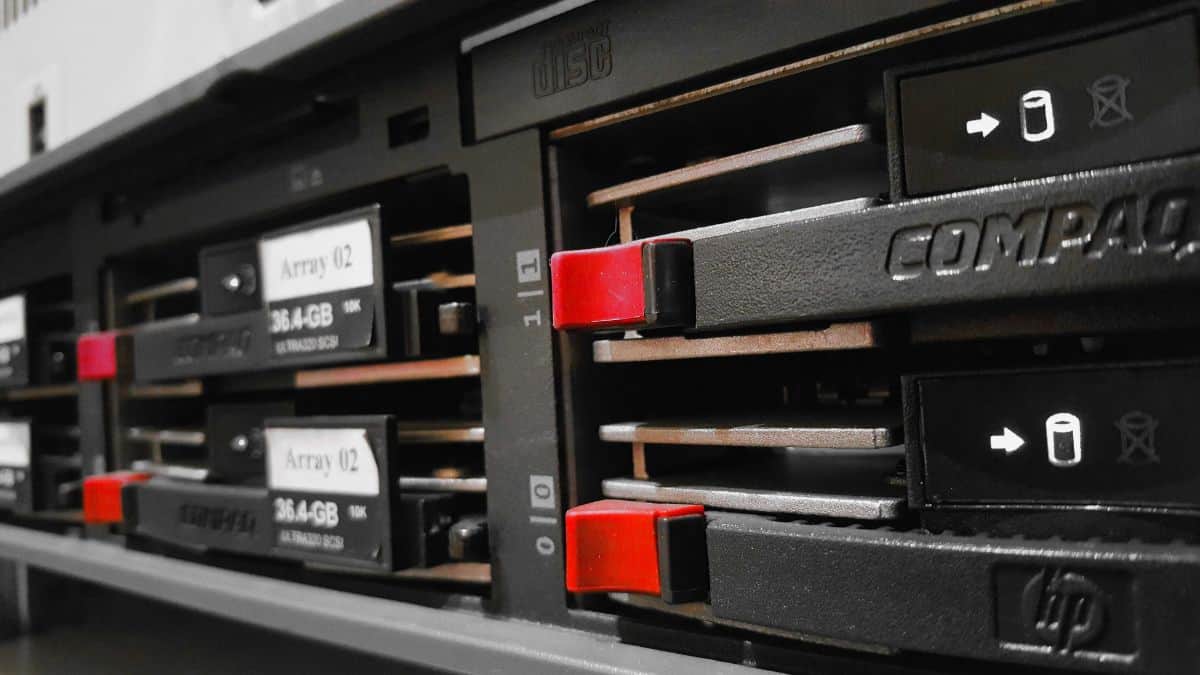
Top Managed IT Services Providers in Manhattan

Are you struggling with persistent downtime, mounting cybersecurity threats, or IT costs that spiral out of control? Finding a reliable partner among the top managed IT services providers in Manhattan is critical for maintaining a competitive edge. With more than 125,000 businesses operating in the region and approximately 500 managed IT providers competing locally, selecting the right fit can be overwhelming for SMBs. At CloudSecureTech, we simplify your search for top MSPs in Manhattan. Our platform benchmarks providers, helping you bypass the noise to find a partner that guarantees uptime and offers expert managed IT services in Manhattan.

Our Rating of Managed IT Services in Manhattan

No data was found
40,000+
MSPs included, making it the biggest directory out there
30+
Countries served by CST’s leading MSPs.
4.9/5.0
average rating for all listed MSPs.
95%
Satisfaction Rate from users who chose their MSP through CST.

Navigating a market with over 500 potential partners requires more than a superficial glance at a website. CloudSecureTech employs a rigorous, data-driven vetting process to ensure Manhattan business owners connect with providers capable of handling the city’s unique high-pressure demands.

Evaluation Criteria

We filter the top managed IT services providers in Manhattan by analyzing their ability to support the city’s core economic engines, from Wall Street firms to Silicon Alley startups.

  • Technical Certifications: We prioritize providers whose teams hold elite credentials. In a landscape dominated by finance and healthcare, we look for experts certified in Azure, AWS, and specialized security frameworks that meet the rigorous standards of New York’s regulatory environment.
  • Service Breadth (Cloud, Cybersecurity, Compliance): A top-tier MSP must offer more than basic help desk support. We evaluate their proficiency in zero-trust architecture, cloud migration, and specific regulatory compliance expertise, such as NY DFS, FINRA, and HIPAA, which are non-negotiable for Manhattan’s professional services.
  • SLA Guarantees: With a median hourly rate of $275–$350, businesses deserve accountability. We verify that providers offer clear Service Level Agreements (SLAs) regarding uptime and responsiveness to ensure your investment translates into operational stability.
  • Industry Specialization: We identify firms with dedicated “kits” for specific sectors, such as high-capacity storage for media production houses in Chelsea or low-latency trading support for FiDi investment firms.
  • Client Review Consistency: We look for a median rating of 4.6 or higher. Our analysis focuses on long-term reliability rather than one-off successes, ensuring the provider maintains high standards across their entire client base.
  • Business Continuity Capabilities: Given Manhattan’s “always-on” nature, we verify that MSPs provide immutable backups and quarterly recovery drills to guarantee resilience against ransomware and local outages.

Our Data-Driven Ranking Model

Our model processes thousands of data points to rank the top MSPs in Manhattan, focusing on transparency and the ability to scale alongside your business.

  • Review Analysis: We aggregate feedback to identify common themes. We look for strengths in enterprise security and 24/7 SOC capabilities while flagging potential weaknesses like over-specialization or rigid contract commitments.
  • Service Verification: Our team cross-references advertised services against actual delivery. We ensure that a provider claiming to offer “vCIO services” actually delivers quarterly strategic roadmaps and budgeting plans, rather than just basic account management.
  • Market Presence: We assess the provider’s local footprint. Whether they are one of the 150+ firms headquartered directly on the island or a national provider with a robust regional office, we ensure they have the “boots on the ground” necessary for Midtown or Downtown onsite support.
  • Scalability Assessment: Manhattan businesses grow fast. We evaluate whether an MSP can scale from a boutique 10-person operation to supporting enterprise-grade environments with 1,000+ users, ensuring you don’t outgrow your partner.
  • Pricing Transparency: We reward providers who reduce buying friction. Our model favors MSPs that offer transparent pricing tiers—ranging from $150 to $250 per user—and provide ROI tools to help Manhattan executives make informed financial decisions.
  • Demand Competition Index (DCI) Analysis: By monitoring the 8,000–15,000 monthly searches for IT support in the city, we analyze how effectively a provider meets this massive demand without compromising their service quality or response times.


Manhattan remains the primary economic engine of New York City, characterized by an incredibly dense concentration of high-stakes industries. In this high-pressure environment, the demand for managed IT services in Manhattan is driven by a unique mix of global financial dominance and a rapidly scaling tech ecosystem.

Business Density and IT Demand in the Manhattan Metro

With an employer base ranging between 125,000 and 140,000 establishments, Manhattan possesses one of the highest densities of enterprise headquarters in the United States. While the majority are agile SMBs with fewer than 50 employees, the infrastructure required to support them is immense.

  • A Tier-1 Global Economic Hub: The island’s population of 1.63 million swells to over 3 million during the workday. This massive influx of commuters necessitates robust, high-availability IT infrastructures that can support a daytime population that more than doubles in size.
  • Industry Mix and Service Dominance: The economy is heavily service-oriented, creating a specialized demand for top MSPs in Manhattan who understand these sectors:
    • Finance & Insurance: 18–22%
    • Professional & Technical Services: 15–18%
    • Information & Tech: 12–15%
    • Healthcare: 10–13%
  • Enterprise Anchors and Global Markets: Manhattan is home to global financial anchors like the New York Stock Exchange and Nasdaq, alongside massive employers such as JPMorgan Chase, Goldman Sachs, and Morgan Stanley. These institutions set the standard for the technology and security protocols required across the region.
  • Key Business Districts: IT demand is concentrated in specific high-growth corridors, including:
    • Financial District (FiDi): The heart of global finance.
    • Midtown: The world’s largest central business district.
    • Hudson Yards: A burgeoning hub for modern enterprise.
    • Silicon Alley: The center of Manhattan’s tech and media boom.

Growth Trends Driving IT Outsourcing

The complexity of Manhattan’s business landscape has made internal IT management increasingly difficult, leading to a surge in search volume for the top managed IT services providers in Manhattan.

  • Hybrid and Zero-Trust Adoption: As businesses move away from traditional office setups, there is a heavy shift toward hybrid work environments. This has accelerated the adoption of Zero-Trust architectures to secure remote access for the city’s 350,000+ tech workers.
  • The Rise of Fintech and SaaS: The convergence of finance and technology in Midtown and the Flatiron District has created a need for specialized IT kits. These startups require rapid scalability and cloud governance to manage growth without ballooning costs.
  • High-Capacity Media Workflows: In neighborhoods like SoHo and Chelsea, media and publishing firms (such as Condé Nast) require high-capacity storage and multi-site collaboration tools. MSPs are increasingly filling the gap for these specialized, asset-heavy workflows.
  • Economic Efficiency in a High-Cost Market: With Manhattan real estate prices for Class A office space reaching $110 per square foot, businesses are outsourcing IT to reduce the physical footprint of on-site servers and internal departments, opting for cloud-first strategies.

Cybersecurity Risk Environment in Manhattan

Manhattan is a primary target for global cyber threats due to its concentration of wealth and intellectual property. The risk environment here is among the most volatile in the world.

  • Prevalence of Ransomware and BEC: According to FBI IC3 reports, Business Email Compromise (BEC) and ransomware are prevalent threats locally. Businesses are increasingly seeking managed IT services in Manhattan that offer SLA-assured recovery to mitigate these risks.
  • Protecting Intellectual Property: For the media and publishing sectors, protecting digital IP is a top priority. This has led to a high demand for Managed Detection and Response (MDR) services to monitor for data exfiltration around the clock.
  • 24/7 SOC Requirements: Because Manhattan operates on a global clock, local businesses can no longer rely on 9-to-5 security. There is a significant trend toward utilizing providers with 24/7 Security Operations Centers (SOC) to provide continuous oversight.
  • Asset and Data Resilience: With immutable backups becoming the industry standard, Manhattan firms are prioritizing quarterly recovery drills. This ensures that in the event of a breach, downtime is measured in minutes, not days.

Compliance Pressures Impacting Local Businesses

Regulatory scrutiny in New York is exceptionally high, particularly for the finance and healthcare sectors that dominate the Manhattan skyline.

  • Financial Regulatory Standards: Investment firms and hedge funds must navigate a complex web of regulations from the SEC, FINRA, and NY DFS. Local MSPs are now expected to provide audit-ready documentation and attestation playbooks as part of their standard service.
  • Healthcare and HIPAA Compliance: With major systems like Mount Sinai Health System anchored here, private clinics and specialty practices face strict HIPAA requirements. IT partners must ensure end-to-end encryption and secure patient data management.
  • Legal Data Security (BigLaw): Manhattan’s “BigLaw” firms handle massive amounts of sensitive litigation data. Compliance here involves not just meeting legal standards, but satisfying the stringent security audits required by their own enterprise clients.
  • Retail and PCI-DSS Governance: From Fifth Avenue boutiques to hospitality groups, POS and PCI segmentation are critical. Compliance-focused managed tiers help these businesses avoid the catastrophic fines associated with data breaches in the retail sector.


Manhattan features one of the most saturated IT services markets globally, with an estimated 300 to 500+ MSPs competing for dominance. This includes approximately 150 to 250 firms headquartered directly on the island, ranging from boutique support shops to massive enterprise-grade providers with over 1,000 employees.

Strategic Positioning and Market Differentiation

In such a dense ecosystem, the top managed IT services providers in Manhattan differentiate themselves through specialized messaging and service delivery models. While the “standard” offering includes 24/7 support and cloud hosting, elite firms are moving toward high-value strategic alignment.

  • Security and Business Continuity Leaders: A significant segment of the market leads with a “security-first” posture. These providers emphasize proactive threat hunting, disaster recovery, and cloud strategy to appeal to the risk-averse nature of the Financial District and Midtown’s corporate offices.
  • The Responsive Local Specialists: Many mid-sized MSPs position themselves as the “boots on the ground” alternative to national giants. Their messaging focuses on rapid onsite response times, custom-tailored solutions, and a deep understanding of the local NYC business context.
  • Network-First and Uptime Providers: These firms focus on the “utility” aspect of IT. Their value proposition centers on helpdesk efficiency, constant monitoring, and maximizing uptime for high-traffic environments like retail and hospitality.
  • Strategic and Advisory Partnerships: A growing trend among the top MSPs in Manhattan is the shift toward the “vCIO” or Executive IT Concierge model. These firms move beyond troubleshooting to offer long-term technology roadmaps, budgeting, and board-level governance.

Review & Reputation Insights Across Manhattan MSPs

Client feedback across the Manhattan market reveals a high standard of technical proficiency but highlights significant friction regarding service delivery and cost.

  • Common Strengths Reported by Clients: Reviews frequently praise Manhattan providers for their deep enterprise security expertise and sophisticated knowledge of financial compliance. Clients value the “always-on” nature of 24/7 SOC capabilities, which are essential for firms operating in global markets.
  • Common Complaints & Gaps: The most frequent criticisms involve high premium pricing and the requirement for long-term contract commitments. There is also a noted frustration with “over-specialization,” where some providers are so focused on the finance sector that they struggle to adapt to the unique needs of creative or retail businesses.
  • Ratings Distribution Snapshot: Despite the high competition, the general quality of service remains high, as reflected in the local ratings:
    • Lowest Observed Rating: ~4.0
    • Median Rating: 4.6 – 4.8
    • Highest Observed Rating: 5.0
  • The Impact of Scale on Satisfaction: Data suggests that boutique MSPs (5–25 staff) often receive higher marks for personalized service, while the larger enterprise providers (100+ staff) are preferred for their vast resource pools and compliance certifications, despite a perceived “impersonal” touch.


While Manhattan is home to some of the world’s most sophisticated technology providers, the sheer volume of competition has led to a “sea of sameness” in service offerings. Many top managed IT services providers in Manhattan focus on generic support, leaving significant voids in specialized, high-transparency, and industry-aligned IT delivery.

Critical Service Delivery and Transparency Gaps

As Manhattan businesses face increasing economic and regulatory pressure, several key areas remain underserved by the current market participants.

  • SLA-Assured Ransomware and Recovery Metrics: Most providers in the region offer backups as a standard service, yet few commit to public, SLA-guaranteed restoration objectives. There is a distinct lack of documented quarterly recovery drills and real-time resilience dashboards, leaving clients uncertain about their actual downtime risks during a cyber event.
  • Compliance-Focused Managed Tiers: Despite the concentration of finance, healthcare, and legal firms, few MSPs offer “compliance-as-a-service” as a core product. There is a significant need for tiered packages that include not just technical support, but audit-ready documentation, attestation reports, and specialized frameworks for NY DFS, FINRA, and HIPAA.
  • Transparent Pricing and ROI Tools: The Manhattan market is notorious for “hidden” pricing and complex quote-only models. There is a massive opportunity for providers to reduce buying friction by offering publicly accessible pricing tiers and online cost calculators that help CFOs understand the direct ROI of their IT spend.
  • Executive IT Concierge and Strategic Advisory: While many firms claim to offer vCIO support, it is often a rebranded account management function. The market lacks distinct subscription tiers that provide normalized deliverables such as quarterly technology roadmaps, multi-year budgeting plans, and formal governance reviews.

Specialized Infrastructure and Operational Gaps

Standard IT support models often fail to address the specific operational workflows of Manhattan’s diverse business sectors.

  • Media and High-Capacity Production Stacks: The creative houses of SoHo and Hudson Yards require more than basic cloud storage. Current market offerings often overlook the need for high-capacity storage workflows, multi-site project synchronization, and advanced asset protection specifically designed for media production environments.
  • Financial and Fintech-Ready IT Kits: Wall Street firms operate on high-speed, low-latency requirements. Specialized IT packages that combine secure trading platform support with immediate regulatory compliance (e.g., SOX) are rarely marketed as distinct, ready-to-deploy products.
  • Cloud Governance and Spend Optimization: As Manhattan startups scale, cloud costs often spiral. There is a notable absence of specialized “Cloud Governance” tiers that focus on rightsizing, automated cost-control policies, and transparent spend dashboards to ensure technology supports growth rather than hindering it.
  • Retail and Hospitality Event Solutions: For Manhattan’s massive retail and event sectors, standard IT contracts are often too rigid. The market lacks flexible, event-ready temporary networks and specialized POS/PCI segmentation bundles that can scale up for trade shows or holiday rushes.

Operating in the world’s premier financial hub requires a clear understanding of the premium costs associated with Tier-1 technology support. Manhattan’s pricing reflects the high cost of local expertise, the necessity for elite security certifications, and the specialized demands of the city’s regulatory environment.

Service Tier / Role Rate / Monthly Fee Range Key Deliverables
Help Desk Support $150 – $250 / hr Desktop support, basic troubleshooting
Network Engineering $200 – $350 / hr Infrastructure design, server management
Cybersecurity Specialist $250 – $450 / hr Threat hunting, SOC, incident response
vCIO / Strategic Advisory $300 – $500 / hr IT roadmapping, budgeting, compliance
SMB Monthly Contract $7,000 – $30,000+ / mo Fully managed services, 24/7 support
Per User (Per Month) $150 – $250 / user Scalable support for growing firms

Regional Cost Nuances in Manhattan

Manhattan is consistently ranked among the most expensive markets in the United States. This economic reality directly impacts the operational costs of local businesses and the MSPs that serve them.

  • Commercial Real Estate (Office Space): Manhattan real estate is a global outlier. Class A office space in Midtown commands between $65 and $110 per square foot annually. In the Financial District (FiDi), rates remain high, typically ranging from $50 to $85 per square foot.
  • Industrial and Flex Space: While industrial focus is often centered in outer boroughs, Manhattan-adjacent industrial space remains a premium at $25 to $40 per square foot.
  • Residential Real Estate: The high cost of living for IT professionals is driven by a median condo price of $1.3 million. Average rent for a one-bedroom apartment ranges from $3,500 to $5,000 per month, making talent retention a significant expense for service providers.

How Real Estate Influences MSP Labor Cost

The extreme cost of Manhattan real estate creates a “cascading effect” on the pricing of managed IT services. Because MSPs must pay premium wages to help employees offset the high cost of living and commuting, these costs are reflected in the hourly and monthly service rates.

Premium for Local Presence

To provide “boots on the ground” support in Midtown or FiDi, MSPs must maintain physical offices nearby or pay for rapid-response travel. The overhead of maintaining a service hub on the island is significantly higher than in any other U.S. metro area.

Talent Competition and Retention

With global giants like Goldman Sachs and JPMorgan Chase competing for the same pool of cybersecurity and cloud engineers, local MSPs must offer highly competitive compensation packages. This ensures that Manhattan businesses receive support from top-tier talent, but it also establishes the $275–$350 blended hourly average as the market standard.


Manhattan’s economy is a complex ecosystem of high-stakes industries that demand more than just standard technical support. The top managed IT services providers in Manhattan act as strategic partners for firms where downtime isn’t just an inconvenience—it’s a major financial and regulatory risk.

Specialized IT Support for Manhattan’s Core Sectors

From the trading floors of the Financial District to the creative studios of Chelsea, local MSPs tailor their stacks to meet the specific operational and compliance needs of the city’s diverse business landscape.

  • Finance, Fintech, and Banking: Accounting for nearly 22% of the local economy, financial services are the primary drivers of IT innovation in the city. MSPs in this sector focus on low-latency infrastructure, high-frequency trading support, and stringent cybersecurity protocols required by the SEC and FINRA.
  • Legal and Professional Services: Manhattan’s “BigLaw” and boutique firms require secure, searchable document management systems and rigid adherence to attorney-client privilege. Managed IT providers support these firms with encrypted communication channels and specialized legal software integrations like Clio or iManage.
  • Healthcare and Life Sciences: With massive systems like Mount Sinai anchored in the city, the healthcare sector relies on MSPs for HIPAA-compliant data management, 24/7 uptime for private clinics, and secure telehealth infrastructure.
  • Media, Publishing, and Creative Production: The media giants and production houses in Silicon Alley and Midtown require high-capacity storage, multi-site project synchronization, and advanced asset protection to manage large-scale digital intellectual property.

Real-World Impact: Case Study Snapshots

The following examples illustrate how top MSPs in Manhattan solve critical business challenges for local organizations.

Case Study Theme: Scalable Cloud Infrastructure and Compliance Hardening

Example Clients: Growing Financial Services Firms
  • The Scenario: A Manhattan-based financial firm was outgrowing its legacy on-premise servers. They lacked centralized user management, secure remote access, and the compliance-driven security controls required for global expansion.
  • The Solution: An MSP deployed a virtualized network infrastructure using Hyper-V, implemented Single Sign-On (SSO) with Multi-Factor Authentication (MFA), and hardened their Google Workspace environment to meet industry security standards.
  • The Outcome: The firm achieved zero significant security breaches or data loss over eight years and successfully expanded into new international markets with an “always-on” secure VPN.

Case Study Theme: Streamlined Case Management and Outlook Synchronization

Example Clients: Legal and Professional Service Firms
  • The Scenario: A law firm needed to avoid expensive, overly complex case management software but required a robust system for tracking case data and appointments across their legal team.
  • The Solution: The MSP developed a streamlined case database and appointment system designed to synchronize seamlessly like Outlook mailboxes, integrating directly with the firm’s existing Microsoft Office suite.
  • The Outcome: The solution scaled with the firm’s growth, providing a cost-effective alternative to bulky legal platforms while maintaining high productivity and internal organization.

Case Study Theme: Low-Cost Network Integration for Multi-Site Inquiry Handling

Example Clients: Healthcare and Behavioral Health Clinics
  • The Scenario: A behavioral health clinic headquartered in Manhattan needed a way to centralize inquiries and scheduling for their national clinics through their New York office.
  • The Solution: The MSP developed a forms-based data system utilizing a low-cost network program, allowing the Manhattan headquarters to handle all national inquiries and scheduling in real-time.
  • The Outcome: This centralized management improved operational efficiency and ensured that the Manhattan office remained the nerve center for the organization’s nationwide expansion.

Critical Insights for Strategic IT Planning

To better understand the core components of modern managed IT, we recommend viewing the following resources.

  • Managed IT Overview: Watch here – This video provides a comprehensive breakdown of how proactive management prevents the “break-fix” cycle common in SMBs.
  • Cybersecurity & SOC: Watch here – Learn why 24/7 Security Operations Centers are essential for Manhattan firms facing global cyber threats.
  • vCIO Explained: Watch here – Understand how strategic advisory services can align your technology budget with your long-term business goals.

While Manhattan’s “Big Three”—finance, law, and healthcare—receive the lion’s share of attention from technology providers, several high-growth sectors remain underserved. These industries often struggle with “cookie-cutter” IT models that fail to account for the unique operational rhythms of life on the island.

Creative Production and Media “Silicon Alley” Hubs

Manhattan is a global leader in media, with over 500,000 local jobs and a $150 billion economic impact in the creative sector. Digital media agencies and production houses in neighborhoods like SoHo and Chelsea require specialized IT that standard MSPs rarely provide.

  • High-Capacity Storage Needs: Creative firms handle massive file sizes for 4K/8K video and 3D modeling, requiring high-speed local storage and secure, multi-site synchronization.
  • Intellectual Property Protection: For media firms, data is the product. Most MSPs offer basic security, but these firms need specialized Asset Protection and Digital Rights Management (DRM) to prevent leaks of unreleased content.

Event Technology and High-Density Hospitality

From the Tribeca Film Festival to NYC Tech Week, Manhattan hosts a constant rotation of large-scale events at venues like the Javits Center and local hotels. The hospitality sector, projected to see RevPAR growth in 2026, often faces a gap in “surge” IT support.

  • Temporary Surge Networks: Event organizers and hospitality managers require temporary, high-density Wi-Fi and POS security for short-term activations and trade shows.
  • PCI-DSS Compliance for Hospitality: With a 2026 events calendar driving international travel, Manhattan hotels require specialized network segmentation to protect guest data during peak occupancy.

Tech-Enabled Startups and Incubators

Manhattan is home to over 25,000 startups and 200+ coworking spaces. These firms move faster than traditional enterprises but are often too small for “Enterprise” MSPs and too complex for “Boutique” shops.

  • Cloud Governance: Startups in the Applied AI and Fintech space often see cloud costs spiral. There is an underserved need for “Cloud Rightsizing” and automation policies that control spend without stifling innovation.
  • Investor-Ready Compliance: Emerging firms need more than a firewall; they need “compliance kits” (SOC2, HIPAA) that make them attractive to venture capital during funding rounds.

Luxury Retail and Fifth Avenue Commerce

Retailers are shifting toward “Value-Seeking” consumer strategies in 2026, which involves heavy investment in Omnichannel experiences and AI-powered personalization.

  • Agentic AI Integration: As retailers deploy AI agents for store associates and customer service, they require MSPs who can manage these complex, integrated AI-native stacks.
  • Unified Commerce Security: Protecting the bridge between online sales and back-end supply chains (Point of Sale to Warehouse Management) remains a significant technical challenge for local luxury boutiques.


The top managed IT services providers in Manhattan distinguish themselves not by the tools they use, but by how they align those tools with the city’s unique business tempo. In a market where 15,000 searches for IT support occur monthly, the best partners prioritize strategic depth and transparency over generic “break-fix” support.

Average MSP Size vs. Capability Discussion

When selecting a partner, size is more than just a headcount; it’s a reflection of “Bench Strength.” In Manhattan’s high-stakes environment, a provider’s ability to respond to a critical failure at 2:00 AM depends entirely on their internal structure.

  • The “Goldilocks Zone” (15–20 Employees): This size is often the sweet spot for Manhattan SMBs. It is large enough to have specialized roles (Security Engineers vs. Helpdesk Technicians) but small enough to maintain the “Executive IT Concierge” feel where you aren’t just a ticket number.
  • Technical Depth: Smaller boutique firms (5–10 staff) are highly agile but may lack 24/7 SOC (Security Operations Center) capabilities. Conversely, enterprise providers (100+ staff) offer massive resources but may lack the responsiveness needed for a Midtown office outage.
  • Specialized Roles: Leading MSPs distinguish themselves by having dedicated Compliance Officers and vCIOs whose only job is strategy and auditing—roles that don’t exist in smaller, “generalist” shops.

SLA-Assured Ransomware and Recovery Guarantees

While most firms offer “backups,” the leaders in Manhattan offer Recovery SLAs. This means they don’t just promise to save your data; they contractually guarantee how fast they can have you back online after a breach, backed by quarterly restoration drills.

Industry-Aligned Compliance “Kits”

Leading providers don’t treat compliance as an add-on. They offer pre-configured “kits” for Manhattan’s regulated sectors:

  • Finance Kit: NY DFS and FINRA-aligned security.
  • Healthcare Kit: HIPAA-compliant encryption and audit logs.
  • Media Kit: High-capacity asset protection.

Transparent Pricing and ROI Modeling

In a city with a $350/hr blended average for IT consulting, leading MSPs reduce friction by offering public pricing tiers and ROI calculators. This transparency allows Manhattan CFOs to view IT as a value driver rather than a mysterious line-item expense.

24/7 Global SOC Capabilities

Because Manhattan is the center of global finance and media, local businesses operate across 11+ time zones. Leading MSPs provide true 24/7 monitoring, ensuring that a threat detected in an overseas office at midnight is neutralized before the New York team arrives at their desks in FiDi or Midtown.


Selecting from the top managed IT services providers in Manhattan requires a strategic approach that balances technical capability with the high-velocity demands of the New York market. Business owners must evaluate partners based on their ability to scale and their specific alignment with local regulatory pressures.

Matching Service Tier to Business Size

Choosing the right service level ensures you are neither under-protected nor over-paying for unnecessary enterprise features.

  • Boutique MSPs (5–25 staff): Ideal for small professional offices with 10–25 users in areas like the Upper East Side or SoHo. These providers prioritize high-touch, personal relationships and are perfect for firms that value direct access to senior engineers.
  • Mid-Market Leaders (25–100 staff): The “Goldilocks zone” for Manhattan firms with 25–150 employees. These MSPs offer a deep engineering bench, 24/7 SOC monitoring, and specialized compliance deliverables required for fast-scaling startups in Silicon Alley.
  • Enterprise Providers (100+ staff): Best suited for large organizations with 150+ users that require global 24/7 support, dedicated vCIO tiers, and “audit-ready” stacks for complex international operations.

Risk Tolerance Assessment

Your IT partner’s security stack must move beyond basic antivirus to match your specific industry risk profile.

  • Compliance-Heavy Requirements: If you are a financial firm in FiDi or a legal practice in Midtown, you cannot afford even an hour of downtime. You require Managed Detection and Response (MDR) and Zero-Trust architectures to meet NY DFS or FINRA standards.
  • Resiliency and Recovery: Evaluate your “Cyber-Hygiene.” A top-tier partner should offer immutable backups and quarterly recovery drills, ensuring that your business remains resilient against the prevalent threat of business email compromise.

CloudSecureTech DCI (Demand Competition Index)

The CloudSecureTech DCI for Manhattan reflects an “Extremely High” competition market.

  • High Demand Per MSP: With approximately 8,000–15,000 monthly searches and roughly 350 active MSPs, the DCI sits between 23 and 43 demand units per provider. This massive demand means the best top MSPs in Manhattan often have rigorous onboarding queues. Be wary of any provider that offers to “start tomorrow” without a comprehensive discovery phase.

Contract Flexibility

In a market known for high pricing and long commitments, look for contractual protections that favor the client.

  • Performance-Based Clauses: Insist on “Contractual Outs” that allow you to exit the agreement if documented SLAs—such as response times or system uptime—are consistently missed. Avoid rigid, multi-year commitments that lack clear performance benchmarks.

Local vs. National Trade-offs

Manhattan’s unique geography and infrastructure create specific logistical challenges for IT support.

  • On-Island Accountability: While national firms offer vast resources, a local Manhattan-headquartered MSP understands the logistics of Midtown or the Financial District. Local accountability ensures that when a hardware failure occurs, an engineer can physically be at your office regardless of transit delays or “gridlock alert” days.


Manhattan’s IT needs are as diverse as its neighborhoods. From the global financial hubs downtown to the media corridors of Midtown and the tech-heavy “Silicon Alley,” the top managed IT services providers in Manhattan offer hyper-local support tailored to the specific infrastructure and industry demands of each district.

Financial District (FiDi)

  • Focus: Global Finance and Insurance
  • Landmarks/Business Corridor: One World Trade Center, New York Stock Exchange, Federal Reserve Bank of New York.
  • IT Nuance: This area requires the highest level of regulatory compliance (SEC, FINRA) and ultra-low latency networks. MSPs here focus on 24/7 SOC monitoring and high-frequency trading support to maintain the pulse of global markets.

Midtown Manhattan

  • Focus: Enterprise Headquarters and Professional Services
  • Landmarks/Business Corridor: Empire State Building, Times Square, Rockefeller Center.
  • IT Nuance: As the world’s largest central business district, IT support in Midtown centers on high-density office environments. Service providers prioritize scalable cloud governance and Microsoft 365 optimization for thousands of professional services firms.

Hudson Yards & Chelsea

  • Focus: Technology, Media, and Real Estate
  • Landmarks/Business Corridor: The High Line, Hudson Yards, Google’s Chelsea headquarters.
  • IT Nuance: This corridor is a hub for “Silicon Alley” tech startups and creative agencies. IT needs focus on high-capacity storage for media production, asset protection, and “Project-Ready” collaboration stacks for multi-site teams.

Lower East Side & SoHo

  • Focus: Retail, Hospitality, and Creative Agencies
  • Landmarks/Business Corridor: Broadway shopping corridor, boutique luxury hotels.
  • IT Nuance: Support in these neighborhoods often involves specialized POS/PCI compliance bundles for luxury retail and hospitality. MSPs focus on secure, guest Wi-Fi SLAs and temporary network solutions for events like the Tribeca Film Festival.

Upper East Side & Upper West Side

  • Focus: Healthcare, Education, and Private Practices
  • Landmarks/Business Corridor: Central Park, Mount Sinai Health System, Columbia University.
  • IT Nuance: This region has a high density of private medical practices and specialty clinics. IT services are heavily weighted toward HIPAA compliance, secure patient data portals, and legacy system integration for established institutions.

Harlem & Uptown

  • Focus: Non-Profits, Education, and Government Services
  • Landmarks/Business Corridor: Apollo Theater, City College of New York.
  • IT Nuance: Organizations in this area often require cost-effective managed IT tiers with a focus on public-sector grant compliance, secure remote learning infrastructure, and robust community-facing data protection.

Civic Center & Government Row

  • Focus: Government Bodies and Legal Entities
  • Landmarks/Business Corridor: New York City Hall, New York City Council, United Nations Headquarters.
  • IT Nuance: Proximity to major government offices and the UN requires MSPs to handle high-level data encryption and sovereign data residency requirements. IT partners here provide audit-ready documentation for firms interacting with city and state government bodies.


What is the average cost for managed IT services in Manhattan?

Pricing in the local market typically reflects a blended hourly average of $275–$350. For small to mid-sized businesses, monthly managed service contracts generally range from $7,000 to over $30,000, depending on the complexity of the infrastructure and the required level of cybersecurity and compliance support.

Why do Manhattan businesses need specialized IT compliance support?

Because the city is a global hub for finance, legal, and healthcare sectors, businesses must adhere to strict regulatory frameworks such as NY DFS, FINRA, SEC, and HIPAA. Leading providers in the area offer specialized compliance tiers that include audit-ready documentation and attestation reports to ensure businesses meet these rigorous standards.

How does a provider’s location within the city affect service delivery?

A provider with a physical presence in Manhattan can offer faster onsite response times, which is critical during hardware failures or network outages in high-traffic districts like Midtown or FiDi. Local accountability ensures that engineers can navigate the unique logistics of the city to provide hands-on support when remote resolution is not possible.

What cybersecurity threats are most prevalent for businesses in this region?

According to local FBI IC3 reports, businesses in the area are frequently targeted by ransomware and business email compromise. This high-risk environment necessitates advanced security measures such as 24/7 SOC monitoring, zero-trust architecture, and immutable backup solutions with guaranteed recovery timelines.

What is the difference between a boutique MSP and an enterprise provider?

Boutique providers typically employ 5–25 staff and offer high-touch, personalized service ideal for smaller offices. Enterprise-grade providers, often with 100 to 1,000+ employees, offer deeper resource pools and specialized departments for cloud governance and global security, making them better suited for large-scale corporate environments.

Can local MSPs support hybrid and remote workforces?

Yes, most top providers now specialize in securing the hybrid work model which is prevalent among the city’s 350,000+ tech workers. This includes implementing secure VPNs, multi-factor authentication, and cloud-based collaboration tools that allow employees to work securely from any location while maintaining centralized management.

What should be included in a managed IT service level agreement (SLA)?

A robust SLA for a Manhattan business should include specific commitments regarding response times, system uptime, and data restoration objectives. It is essential to look for performance-based clauses that allow for contract flexibility if the provider consistently fails to meet these documented benchmarks.

Other Top-Rated IT Service Providers in Manhattan

Discover top-tier managed IT service providers in Manhattan.